
There’s something powerful about a defined reset point.
Not a vague “I’ll start next week.” Not an open-ended promise to train more. But a clear decision, a clear timeframe, and a clear target.
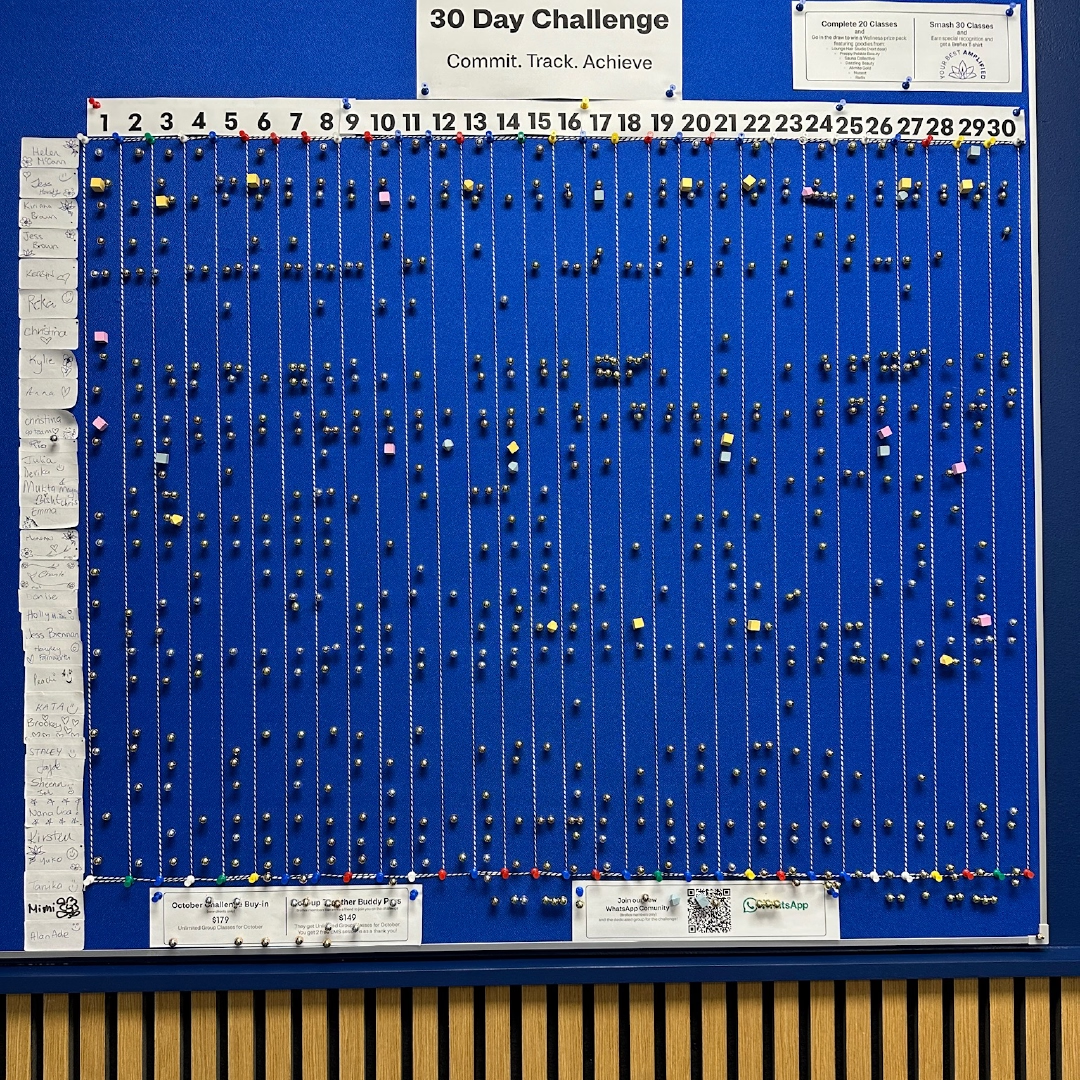
That’s what makes a 30 day challenge so effective.
Thirty days is long enough to create meaningful change, yet short enough to feel achievable. It gives you structure, builds accountability, and shifts your focus from chasing quick results to building consistent habits. Instead of relying on motivation, which naturally rises and falls, you rely on commitment. And commitment creates momentum.
March presents the ideal opportunity to reset your routine and rebuild that momentum. The relaxed rhythm of summer starts to settle, routine returns, and there’s still enough daylight and warmth to make training feel accessible and energising. It’s a transitional period — not rushed, not reactive — just the right time to put structure back into your week before the colder months make consistency more challenging.
The real benefit of a 30 day challenge isn’t about cramming in workouts or exhausting yourself. It’s about establishing rhythm. When you train consistently for a month, your work capacity improves, your energy levels stabilise, and your confidence grows. What feels difficult in the first week becomes manageable as your body adapts. By the end of the month, showing up no longer feels like a decision — it feels automatic.
But there’s an important factor that often gets overlooked when increasing training frequency: recovery and fuel.
If you’re aiming to train regularly — especially close to daily — your body is under greater demand. Every session creates muscle fibre breakdown, uses stored energy, and places stress on your nervous system. That stress isn’t a problem in itself; it’s part of how adaptation happens. The issue arises when recovery doesn’t match effort.
Progress happens during recovery, not during the session itself.
Sleep becomes non-negotiable because it’s when repair processes accelerate and hormones regulate. Hydration becomes more important because fluid losses accumulate. Protein intake supports muscle repair and adaptation, while carbohydrates replenish the energy stores that allow you to perform well again the next day. Whole, balanced meals provide the micronutrients that support immune function and overall resilience.
One of the most common mistakes people make when committing to a challenge is under-fuelling. They increase training frequency without increasing their energy intake. The result is often declining performance, lingering soreness, low motivation, and slower recovery. Over time, that imbalance can lead to frustration or injury.
Fuel is not about restriction during a challenge. It’s about support. If you’re asking more from your body, you need to provide more back.
At the same time, consistency does not mean maximum intensity every day. A sustainable challenge is built on smart programming, varied intensity, and listening to your body. Some days will feel strong and powerful. Others may require a lighter session focused on movement and mobility. The key is staying engaged rather than chasing exhaustion.
Structure is what makes all of this possible. A defined target within a set timeframe removes decision fatigue. You don’t wake up debating whether you’ll train — you’ve already committed. That clarity frees up mental energy and builds momentum. Accountability strengthens discipline, and discipline eventually becomes identity. You start to see yourself as someone who shows up.
And when that identity shifts, everything else follows. Energy improves. Focus sharpens. Stress feels more manageable. Confidence builds.
Thirty sessions in March isn’t about extremes. It’s about repetition. It’s about stacking one consistent effort on top of another until momentum carries you forward.
March offers a reset point before winter settles in and routines become harder to maintain. It’s an opportunity to rebuild structure, refocus your energy, and create habits that extend beyond a single month.
If you’re going to commit to something, commit properly. Train consistently. Fuel your body appropriately. Prioritise recovery. Allow adaptation to happen.
A 30 day challenge isn’t just about completing sessions. It’s about resetting how you approach your training so that long after the month ends, the consistency remains.
If you’ve been waiting for the right time to reset your routine, this is it.
A defined challenge creates clarity. Clarity creates action. And action, repeated consistently, creates change.
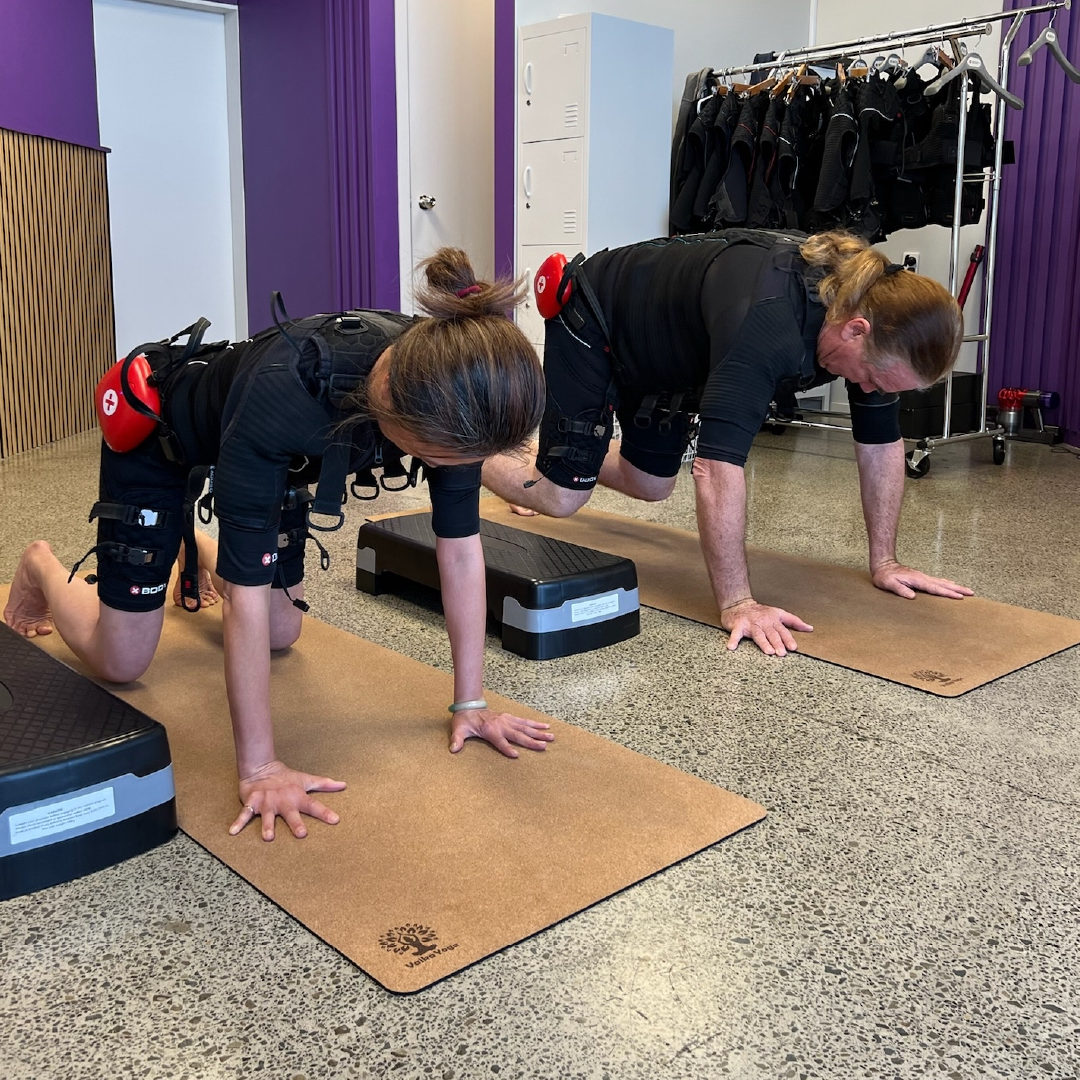
The Breflex March 30 Day Challenge is built around that principle — a structured month focused on consistency, supported by community, and backed by guidance around fueling and recovery. It’s not about chasing extremes or proving anything to anyone else. It’s about showing up for yourself, building momentum, and finishing the month stronger than you started.
Thirty sessions. One focused month. A genuine reset.
The question isn’t whether you’re capable. It’s whether you’re ready to commit.